Health insurance is a safety net that protects individuals from big, unexpected financial losses. Whether families can actually access this service effectively, without draining precious time and financial resources, is another question.
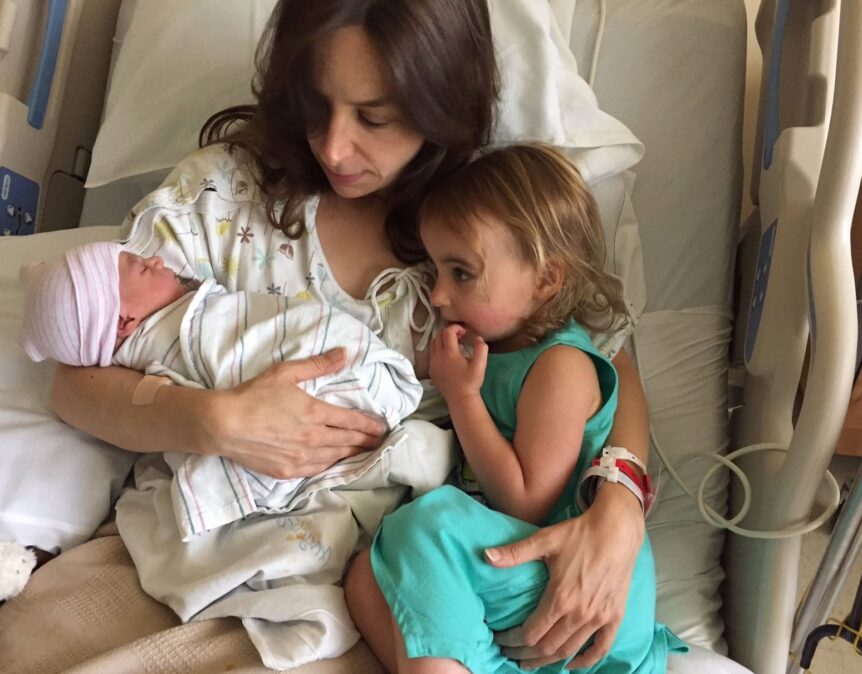
After reading Veronica’s story for this month’s newsletter, I found myself thinking about what it really costs to access health insurance. She had consulted financial advisors and even taken classes to prepare herself financially. Then, when she gave birth to her daughter, lack of adequate health insurance coverage forced her to put childbirth and other birthing support on a credit card. Six years later, she is still working to pay down that debt, while building savings and planning for their future.
Her experience brought me right back to the birth of my own daughter. My insurance provider still owes me money from that birth nine years ago. I have spent years trying to recover it, often through hour-long phone calls that end with promised reimbursement but no resolution. At some point, I have to calculate how much more of my time this payment I am owed is worth. That is an economic calculation too.
We tend to measure the cost of healthcare through premiums, deductibles, copays, and out-of-pocket expenses. But the economic cost extends into the time required to navigate coverage, billing disputes, reimbursements, and access to providers. For single mothers already managing work and childcare, that time becomes yet another expense.
Unexpected bills, coverage denials, and billing errors add to the time spent trying to reach someone who can help. Some people ultimately pay bills because the effort required to challenge a denial or seek assistance feels futile.
Economists routinely account for opportunity cost when considering how resources are allocated. Families make those calculations every day, even when no one records them on a balance sheet. An hour spent resolving an insurance claim may mean lost wages for an hourly worker or time pulled from another responsibility.
The consequences are greater for families with less financial margin. Veronica’s childbirth expense became credit card debt. My unresolved reimbursement became a recurring claim on my time. The same friction that is frustrating for one family can create debt, lost income, or a missed opportunity for another.
New research from The Commonwealth Fund shows that 32 percent of adults with private insurance are paying off medical bills or debt over time. The rate rises to 37 percent among women and 38 percent among people with low or moderate incomes. Among those carrying medical debt, 37 percent had used some or all of their savings to pay medical bills, while 30 percent had delayed or avoided needed healthcare.
While temporary debt relief, one-time cash infusions, and resolved health insurance claims can provide meaningful relief, the Financial Health Pulse® 2026 U.S. Trends Report shows that this relief often addresses only one part of a person’s economic life
EcoMOMics™ considers a mother at the intersection of these systems, making decisions about her household while also participating in the broader economy. The economic conditions surrounding mothers influence both family mobility and their ability to contribute productively in the communities and economies around them.
This is why WANDA’s approach works. By providing emergency rental assistance alongside matched savings toward value-based assets, we can address an immediate pressure that might otherwise lead to a larger setback while helping mothers build resources for the future. Our goal is to increase the resources and choices a mother has as she moves toward financial stability. The price of access deserves to be part of how we think about economic mobility.
Veronica’s experience brings these ideas together. WANDA is helping her manage the debt associated with her daughter’s birth while encouraging her to build savings, plan for retirement, and grow her business. Reducing one burden creates more room for single mothers to put their resources toward their futures and the broader economy.